
Top Rare Eisenhower Dollar Coins: The Eisenhower dollar is one of those coins that feels familiar at first glance, yet quietly hides some of the most fascinating modern U.S. rarities. Minted between 1971 and 1978, these large, bold dollars were the last circulating U.S. coins struck in that size. While most people think of Ike dollars as common casino or souvenir coins, seasoned collectors know better. A small group of Eisenhower dollars stand far apart from the rest, commanding serious premiums and intense collector interest as we move into 2026.
Why Eisenhower Dollars Still Surprise Collectors
Eisenhower dollars sit in an unusual space between modern and classic U.S. coinage. They’re modern enough that many were saved, yet old enough for minting errors, experimental finishes, and limited production runs to matter. Unlike Morgan or Peace dollars, rarity here often comes from subtle details rather than low overall mintages.
Another factor driving interest is generational. Collectors who grew up seeing Ike dollars in circulation are now serious buyers, pushing demand higher for top-condition and unusual examples.
1972 Type 2 Reverse: The Accidental Rarity
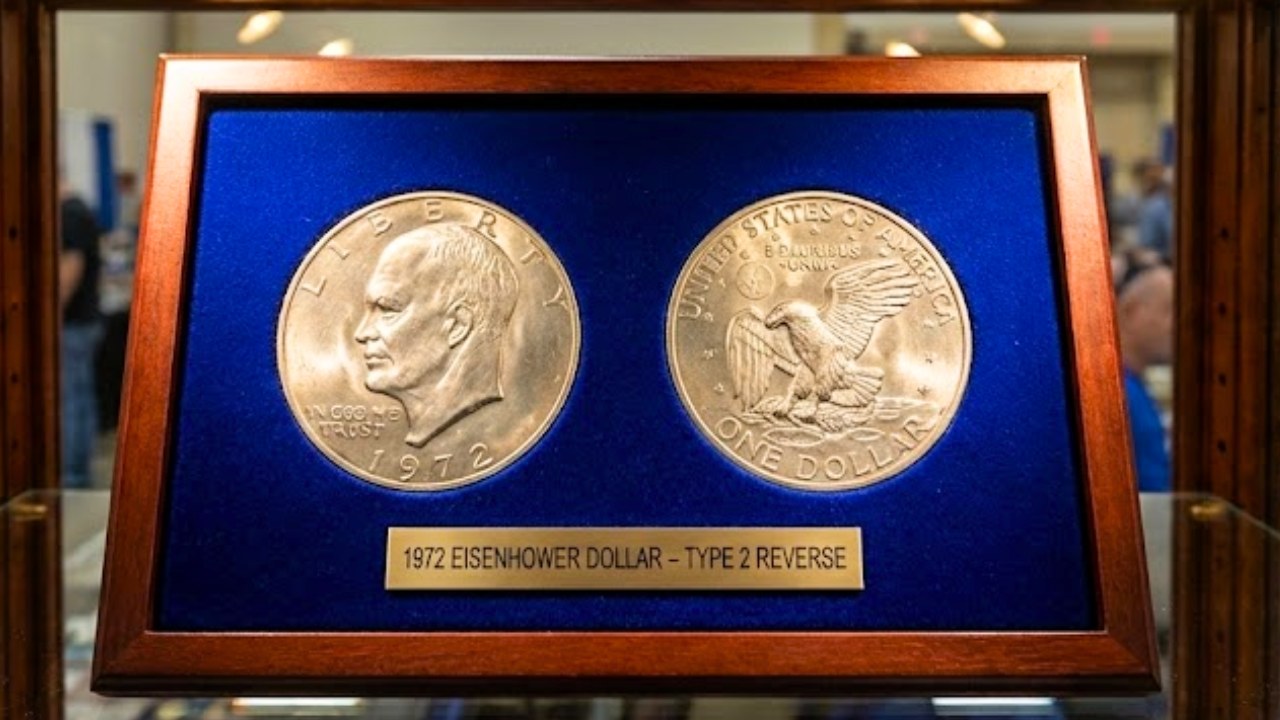
Among circulation strikes, the 1972 Type 2 reverse is the undisputed king.
This variety features a distinctly different Earth design on the reverse, with Florida appearing as a rounded blob rather than a defined peninsula. It resulted from the use of an early hub intended for proof dies, accidentally mixed into circulation production.

What makes this coin special is scarcity combined with subtlety. Many examples went unnoticed for decades, and high-grade specimens remain genuinely hard to find.
In 2026, collectors are aggressively seeking MS65 and better examples, especially with strong luster and minimal bag marks.
1971-D Friendly Eagle: A Soft Look with Strong Demand
The 1971-D “Friendly Eagle” isn’t officially recognized by all grading services, but collectors know it when they see it. The eagle appears softer and less aggressive, with rounded features and a gentler eye.
This reverse design likely came from lightly polished dies, but its distinct appearance has earned it variety status in the marketplace. Because Denver minted a massive number of Ike dollars in 1971, truly sharp, high-grade Friendly Eagle examples are much rarer than raw numbers suggest.

Demand continues to rise as more collectors specialize in Eisenhower varieties rather than just date-and-mint sets.
1973 No Mint Mark Silver Proof: Not Supposed to Exist
One of the most intriguing Ike rarities is the 1973 silver proof without a mint mark. Regular silver proofs from San Francisco should always carry an “S,” but a small number slipped out without it.
These coins weren’t released intentionally and were likely discovered in proof sets years later. Authentication is critical here, as altered coins do exist, but verified examples are among the most valuable Eisenhower dollars known.
Because of their mystery and extremely low population, prices can fluctuate widely depending on eye appeal and certification.

1976 Type 1 Silver Proof: Bicentennial with a Twist
The Bicentennial Eisenhower dollar is common until it isn’t.
Type 1 silver proofs feature bold, blocky lettering on the reverse, quite different from the refined Type 2 design that followed. While both types were produced in silver, Type 1 proofs were struck in much smaller numbers and often show weaker strikes.
Collectors assembling complete Bicentennial sets increasingly seek this variety, especially in deep cameo condition, which has become noticeably harder to locate in recent years.
1974-D Doubled Die Obverse: Modern Error Favorite
Doubled dies on Eisenhower dollars don’t get the same publicity as Lincoln cents, but the 1974-D doubled die obverse is a standout. Doubling is visible on LIBERTY, IN GOD WE TRUST, and Eisenhower’s profile.

The challenge with this coin is finding one that hasn’t been over-polished or circulated into mediocrity. Strong, unambiguous examples in mint state are legitimately scarce.
As error collecting continues to grow in popularity, this variety is gaining new attention from outside traditional Ike specialists.
1978-P Reverse of 1977: The Last-Year Surprise
The final year of Eisenhower dollar production produced an unexpected crossover. Some 1978 Philadelphia strikes used leftover reverse dies from 1977, resulting in a different lettering style and eagle detail.
This variety flew under the radar for years, making it one of the more affordable rarities at least for now. As awareness grows, prices have steadily climbed, especially for certified examples with clean surfaces.

2026 Eisenhower Dollar Price Chart (Certified Examples)
Prices vary by eye appeal, strike quality, and grading service, but the ranges below reflect realistic market activity entering 2026.
| Coin Variety | Grade | Estimated Value |
|---|---|---|
| 1972 Type 2 Reverse | MS65 | $900 – $1,500 |
| 1971-D Friendly Eagle | MS66 | $1,200 – $2,000 |
| 1973 No Mint Mark Silver Proof | PR65 | $8,000 – $15,000 |
| 1976 Type 1 Silver Proof | PR69 DCAM | $1,800 – $3,000 |
| 1974-D Doubled Die Obverse | MS65 | $2,500 – $4,500 |
| 1978-P Reverse of 1977 | MS66 | $700 – $1,200 |
What to Look for When Buying Rare Ike Dollars
Condition is everything with Eisenhower dollars. These large coins were prone to contact marks, and wide, otherwise rare varieties lose value quickly if surfaces are rough.
Certification is strongly recommended for higher-end pieces, not just for authenticity but for liquidity. Eye appeal, luster, and strike sharpness often matter more than a single point on the grade label.
Finally, patience pays. Many rare Ike dollars still appear misattributed in collections, estate sales, and old holders. For collectors willing to learn the diagnostics, opportunities remain.
Final Thoughts
Eisenhower dollars have officially outgrown their “common modern” reputation. The rare varieties discussed here combine historical quirks, limited availability, and growing collector respect. As more numismatists revisit the series with fresh eyes, prices continue to reflect a market that’s maturing rather than cooling.
For collectors who enjoy variety hunting and modern U.S. history, rare Eisenhower dollars remain one of the most rewarding and still approachable areas of American coinage.